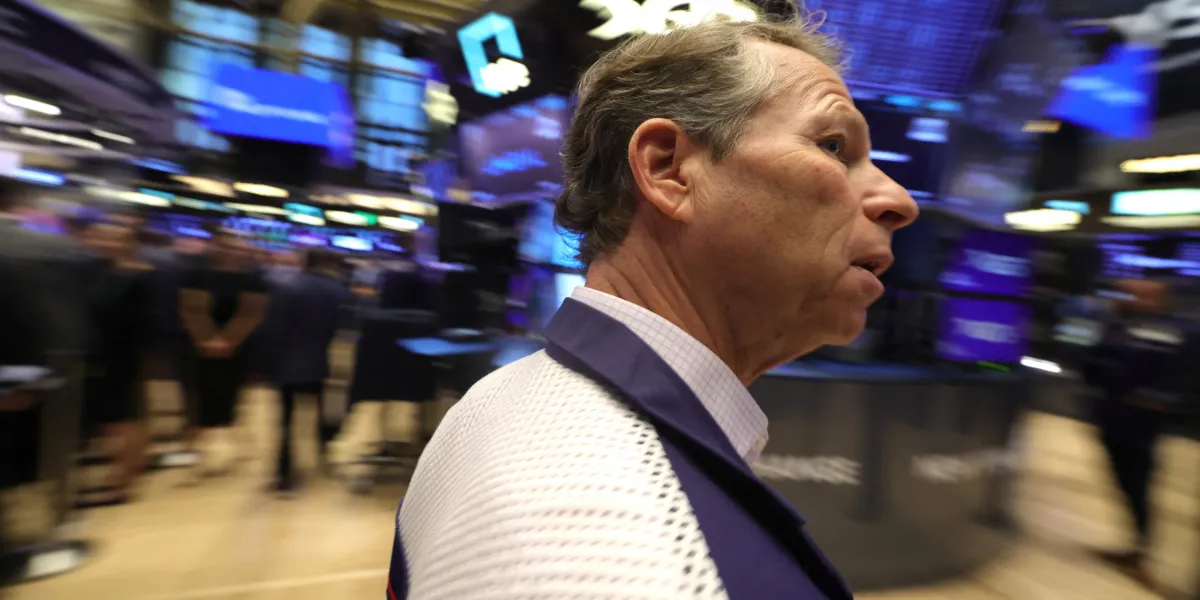
Progressive’s CEO on how paranoia and a ‘surgical focus’ grew the insurer into a $75B giant
Progressive’s CEO on how paranoia and a ‘surgical focus’ grew the insurer into a $75B giant
Smarter in seconds
Leadership lesson
News to know
Ruth Umoh is the Next to Lead editor at Fortune, covering the next generation of C-Suite leaders. She also
When Warren Buffett praises your strategy—even as the owner of rival Geico—it’s tempting to take a victory lap. Progressive CEO Tricia Griffith resists.
“It doesn’t influence my thinking,” she says, though she concedes the veneration fuels her resolve. “You can fall from grace easily if you get complacent. You have to stay paranoid.” That mix of humility and vigilance, she argues, has defined her rise—from crawling under cars as a claims representative to becoming the first woman to lead the 88-year-old insurance company, now a Fortune 500 powerhouse with more than $75 billion in revenue.
Her ascent was anything but linear. After a decade in claims, Griffith vaulted into Progressive’s top HR job in 1999, despite no formal experience. “I had a marketing degree and claims background—no HR,” she recalls. What she did have were strong views on two neglected priorities: diversity and data. Encouraged
If her early years in senior roles were about finding her footing, Griffith’s CEO tenure has been defined
Growth, she insists, has been less about bold strokes than relentless execution. “It’s every single person knowing their role and going deep,” she says. Every three years, her leadership team develops a new strategic plan, combining top-down and bottom-up approaches to map the addressable market and identify underpenetrated demographics. And when conditions change, they move fast, she says. In 2023, with inflation driving up car prices, Progressive pulled back its media spend and retooled its pricing strategy before competitors, she says. The result is what Griffith describes as the largest single-year market share gain
“
Of course, the CEO role itself has changed dramatically over the last decade. Today’s corner office comes with more political polarization, activist shareholders, and technological upheaval. “There’s always a glitch around the corner,” Griffith says.
With that acknowledgement, is the top job still worth it? “There are tough days,” she admits, “But if you build great teams, follow your plan, and win the right way, it’s the opportunity of a lifetime.”
Ruth Umohruth.umoh.com
Stretch roles. Accenture’s CEO on the one thing you should never do if you get offered a big job you don't feel ready for
Day one to day now. Inside Amazon's hardcore culture reset
Humble hustle. Brooks CEO leads his company with a Charlie Munger-inspired mantra: low arrogance and a bureaucracy allergy
Red Lobster CEO Damola Adamolekun on high-stakes decision-making: “Before I decide, I’ll say, ‘I’m leaning this way; who objects? Are there any dissenters in the room?’ And I’ll ask people who dissent to speak up…But once a decision is made, everybody needs to go in the same direction. It’s just about execution at that point.”
Tech’s biggest names lauded Trump’s innovation agenda at a recent dinner, while signaling how dependent their fortunes are on Washington’s favor. WSJ
The show of solidarity between the leaders of China, Russia, and India could lay the groundwork for realignments in global trade and power. Bloomberg
Billionaire investor Ray Daly said fear of White House retaliation is silencing concerns over America’s fiscal path. Fortune
Palantir's CEO believes that AI workers will only become more valuable, in-demand, and expensive. BI
Trump’s Fed nominee told senators he would keep his White House role, fueling concerns over the central bank’s independence. FT
The ouster of Nestlé's CEO has prompted conversation about the ethical nuances of consensual office romances. Fortune
How JPMorgan supported and profited from the notorious sex offender Jeff Epstein for years. NYT
About the Author

Claire Dubois
View all articlesComments (0)
No Comments Yet
Be the first to share your thoughts on this article!