Why SpaceX made a $17B bet on the direct-to-cell market
Topics
More from TechCrunch
Why SpaceX made a $17B bet on the direct-to-cell market
Join 10k+ tech and VC leaders for growth and connections at Disrupt 2025
Netflix, Box, a16z, ElevenLabs, Wayve, Sequoia Capital, Elad Gil — just some of the 250+ heavy hitters leading 200+ sessions designed to deliver the insights that fuel startup growth and sharpen your edge. Don’t miss the 20th anniversary of TechCrunch, and a chance to learn from the top voices in tech. Grab your ticket before Sept 26 to save up to $668.
Join 10k+ tech and VC leaders for growth and connections at Disrupt 2025
Netflix, Box, a16z, ElevenLabs, Wayve, Sequoia Capital, Elad Gil — just some of the 250+ heavy hitters leading 200+ sessions designed to deliver the insights that fuel startup growth and sharpen your edge. Don’t miss the 20th anniversary of TechCrunch, and a chance to learn from the top voices in tech. Grab your ticket before Sept 26 to save up to $668.
Most Popular
Musk’s $1T pay package is full of watered-down versions of his own broken promises
Scale AI’s former CTO launches AI agent that could solve big data’s biggest problem
OpenAI announces AI-powered hiring platform to take on LinkedIn
Atlassian to buy Arc developer The Browser Company for $610M
Google brings Material 3 Expressive to Pixel 6 and newer devices, along with other features
Tesla’s 4th ‘Master Plan’ reads like LLM-generated nonsense
Latest
AI
Amazon
Apps
Biotech & Health
Climate
Cloud Computing
Commerce
Crypto
Enterprise
EVs
Fintech
Fundraising
Gadgets
Gaming
Government & Policy
Hardware
Layoffs
Media & Entertainment
Meta
Microsoft
Privacy
Robotics
Security
Social
Space
Startups
TikTok
Transportation
Venture
Events
Startup Battlefield
StrictlyVC
Newsletters
Podcasts
Videos
Partner Content
TechCrunch Brand Studio
Crunchboard
Contact Us
Why SpaceX made a $17B bet on the direct-to-cell market Aria Alamalhodaei PM PDT · September 9, 2025 SpaceX just fired off one of the biggest shots yet in the spectrum wars, agreeing to pay $17 billion to take over a massive chunk of wireless airwaves from EchoStar for Starlink’s direct-to-cell services.
The deal is the most aggressive signal yet that SpaceX wants to rule the satellite-to-phone market.
The significance of the sale, which sees SpaceX paying a mix of $8.5 billion in cash and $8.5 billion in SpaceX stock, centers around a finite re
The U.S. government, via the Federal Communications Commission, divides spectrum into “bands.” There are only so many usable frequencies, and users must coordinate to avoid interference. To raise the stakes even higher, only certain ranges work well for phones and satellites, which shrinks the pool of usable bands even further and creates a fierce competition for access.
The FCC auctions long-term licenses at high prices to private firms. The prime cellular bands were predominately amassed
In 2024, the FCC approved a new regulatory framework called Supplemental Coverage from Space that paved the way for satellites to legally extend carrier networks. SCS lets a satellite operator, in partnership with a terrestrial carrier, use the carrier’s existing phone spectrum to fill wireless coverage gaps as a secondary service. Later that year, SpaceX officially began offering its Direct-to-Cell service to T-Mobile users as a premium add-on.
That framework paved the way for SpaceX’s deal with EchoStar. It created a structure to let satellite operators tap into terrestrial networks.. And now, with the EchoStar deal, SpaceX does not need to partner with a terrestrial licensee for spectrum. Instead of depending on relationships with other firms, SpaceX has become the license holder.
Techcrunch event Join 10k+ tech and VC leaders for growth and connections at Disrupt 2025 Netflix, Box, a16z, ElevenLabs, Wayve, Sequoia Capital, Elad Gil — just some of the 250+ heavy hitters leading 200+ sessions designed to deliver the insights that fuel startup growth and sharpen your edge. Don’t miss the 20th anniversary of TechCrunch, and a chance to learn from the top voices in tech. Grab your ticket before Sept 26 to save up to $668. Join 10k+ tech and VC leaders for growth and connections at Disrupt 2025 Netflix, Box, a16z, ElevenLabs, Wayve, Sequoia Capital, Elad Gil — just some of the 250+ heavy hitters leading 200+ sessions designed to deliver the insights that fuel startup growth and sharpen your edge. Don’t miss the 20th anniversary of TechCrunch, and a chance to learn from the top voices in tech. Grab your ticket before Sept 26 to save up to $668. San Francisco | October 27-29, 2025 REGISTER NOW Of course, SpaceX is in the business of building rockets and satellites, not cell phones, so it still depends on the hardware makers and carriers to reach hundreds of millions of consumers. But SpaceX CEO Elon Musk has floated the idea of building a phone under his other business, X, which merged with xAI earlier this year. Mush has taken aim in particular at Apple’s ongoing collaborations with OpenAI. In August, X and xAI filed a lawsuit against the two companies, alleging anti-competitive practices.
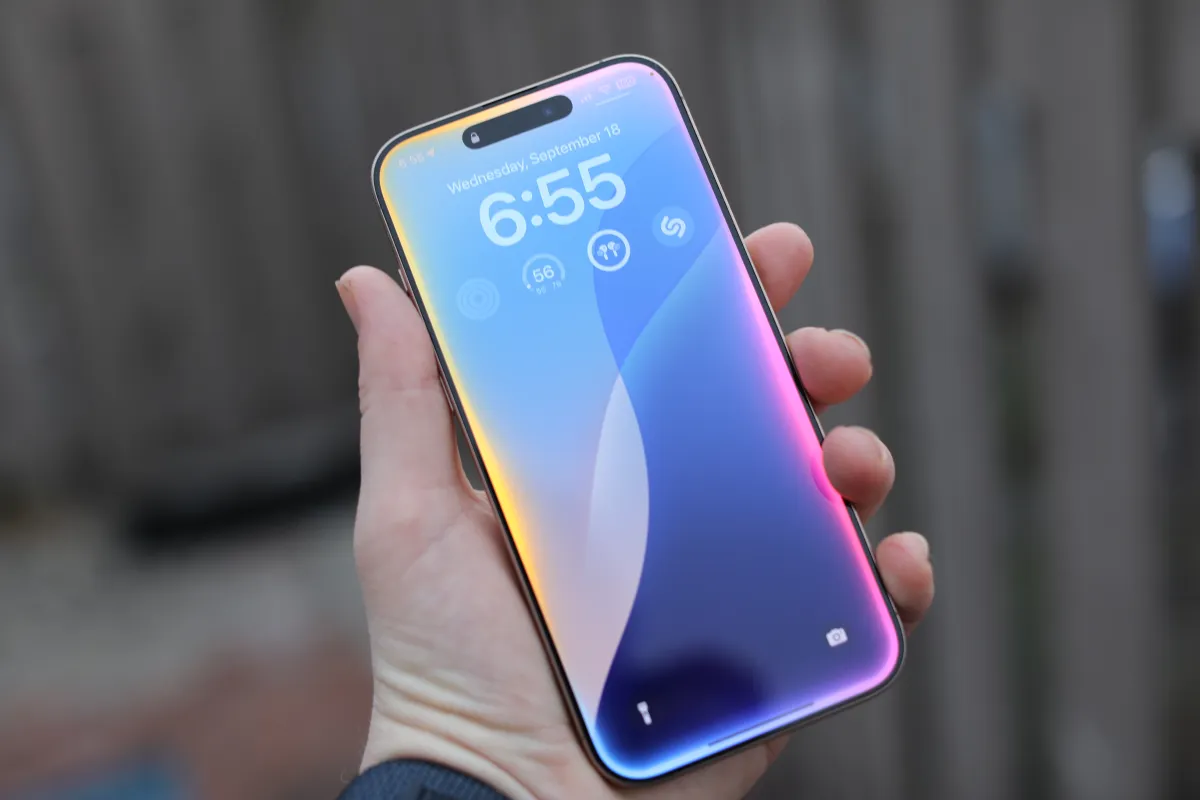
Apple satellite features like Emergency SOS are enabled via a partnership with Canadian firm Globalstar, and Apple has committed over $1.5 billion to further expand satellite-enabled iPhone services. But some analysts are wondering if SpaceX’s move is leverage to persuade Apple to cooperate with SpaceX instead of Globalstar.
This is not the first time SpaceX has flexed its muscle in the spectrum wars.
The company spent years successfully battling Dish (a subsidiary of EchoStar) over the 12 GHz band that SpaceX wanted to use for Starlink. It also beefed over Dish/Echostar’s lack of use of the AWS-4 band – one of the spectrum licenses it ended up acquiring.
Separately, SpaceX and Kuiper have also sparred in FCC filings over interference rules and how competing satellite megaconstellations should share spectrum.
They have also been a major force propelling the FCC to revisit satellite spectrum-sharing rules. Earlier this year, the Commission opened a formal rulemaking to modernize satellite sharing limits after a petition from SpaceX, with Kuiper and others filing in support.
Topics
Aria Alamalhodaei
Aria Alamalhodaei covers the space and defense industries at TechCrunch. Previously, she covered the public utilities and the power grid for California Energy Markets. You can also find her work at MIT’s Undark Magazine, The Verge, and Discover Magazine. She received an MA in art history from the Courtauld Institute of Art in London. Aria is based in Austin, Texas.
You can contact or verify outreach from Aria
October 27-29, 2025 San Francisco Founders: land your investor and sharpen your pitch. Investors: discover your next breakout startup. Innovators: claim a front-row seat to the future. Join 10,000+ tech leaders at the epicenter of innovation. Register now and save up to $668.Regular Bird rates end September 26
Most Popular Musk’s $1T pay package is full of watered-down versions of his own broken promises Sean O'Kane
Scale AI’s former CTO launches AI agent that could solve big data’s biggest problem Julie Bort
OpenAI announces AI-powered hiring platform to take on LinkedIn Maxwell Zeff
Atlassian to buy Arc developer The Browser Company for $610M Ivan Mehta
Google brings Material 3 Expressive to Pixel 6 and newer devices, along with other features Aisha Malik
Tesla’s 4th ‘Master Plan’ reads like LLM-generated nonsense Sean O'Kane
X LinkedIn Facebook Instagram youTube Mastodon Threads Bluesky TechCrunchStaffContact UsAdvertiseCrunchboard JobsSite Map Terms of ServicePrivacy PolicyRSS Terms of UseCode of Conduct Apple Event 2025Oura RingNew EmojisiPhone AirSnapTech LayoffsChatGPT © 2025 TechCrunch Media LLC.
About the Author

Sophie Mueller
View all articlesComments (0)
No Comments Yet
Be the first to share your thoughts on this article!