Why the US government is taking a stake in Intel
Topics
More from TechCrunch
Why the US government is taking a stake in Intel
Chip context
Tech and VC heavyweights join the Disrupt 2025 agenda
Netflix, ElevenLabs, Wayve, Sequoia Capital, Elad Gil — just a few of the heavy hitters joining the Disrupt 2025 agenda. They’re here to deliver the insights that fuel startup growth and sharpen your edge. Don’t miss the 20th anniversary of TechCrunch Disrupt, and a chance to learn from the top voices in tech — grab your ticket now and save up to $600+ before prices rise.
Tech and VC heavyweights join the Disrupt 2025 agenda
Netflix, ElevenLabs, Wayve, Sequoia Capital — just a few of the heavy hitters joining the Disrupt 2025 agenda. They’re here to deliver the insights that fuel startup growth and sharpen your edge. Don’t miss the 20th anniversary of TechCrunch Disrupt, and a chance to learn from the top voices in tech — grab your ticket now and save up to $675 before prices rise.
Lip-Bu Tan’s return
Most Popular
BMW, I am so breaking up with you
Murder at Burning Man turns Silicon Valley’s desert playground into a crime scene
Nvidia says two mystery customers accounted for 39% of Q2 revenue
Cracks are forming in Meta’s partnership with Scale AI
Mastodon says it doesn’t ‘have the means’ to comply with age verification laws
TransUnion says hackers stole 4.4 million customers’ personal information
Get ready, EV owners: Here come the dongles
Latest
AI
Amazon
Apps
Biotech & Health
Climate
Cloud Computing
Commerce
Crypto
Enterprise
EVs
Fintech
Fundraising
Gadgets
Gaming
Government & Policy
Hardware
Layoffs
Media & Entertainment
Meta
Microsoft
Privacy
Robotics
Security
Social
Space
Startups
TikTok
Transportation
Venture
Events
Startup Battlefield
StrictlyVC
Newsletters
Podcasts
Videos
Partner Content
TechCrunch Brand Studio
Crunchboard
Contact Us
Why the US government is taking a stake in Intel Rebecca Szkutak AM PDT · September 3, 2025 The Trump administration wants the United States to be the dominant force when it comes to artificial intelligence, and one way the administration hopes to achieve primacy is
To help with that transition, President Donald Trump has introduced potential chip tariffs and policies in recent months meant to bring more semiconductor manufacturing stateside.
In late August, the Trump administration took an unprecedented step toward that goal when it converted an existing government grant, meant for domestic semiconductor manufacturing, into a 10% equity stake in Intel.
This deal was structured to grant the U.S. government additional equity in Intel if the company’s ownership of its foundry business — which manufactures custom chips for international customers — drops below 50% within the next five years.
But Intel isn’t the only U.S.-based semiconductor company, nor the only one that manufactures its chips overseas. So, how did Intel find itself as the main character in the Trump administration’s plans for AI dominance? Let’s take a look.
First, some history: In March 2021, Intel launched its foundry business alongside a commitment to spend $20 billion building two new chip-manufacturing plants in Arizona.
A year later, the company announced its intent to acquire Tower Semiconductor, a company in the custom foundry industry, for $5.4 billion, but that didn’t pan out due to regulatory troubles, and the companies canceled the merger in August 2023.
Techcrunch event Tech and VC heavyweights join the Disrupt 2025 agenda Netflix, ElevenLabs, Wayve, Sequoia Capital, Elad Gil — just a few of the heavy hitters joining the Disrupt 2025 agenda. They’re here to deliver the insights that fuel startup growth and sharpen your edge. Don’t miss the 20th anniversary of TechCrunch Disrupt, and a chance to learn from the top voices in tech — grab your ticket now and save up to $600+ before prices rise. Tech and VC heavyweights join the Disrupt 2025 agenda Netflix, ElevenLabs, Wayve, Sequoia Capital — just a few of the heavy hitters joining the Disrupt 2025 agenda. They’re here to deliver the insights that fuel startup growth and sharpen your edge. Don’t miss the 20th anniversary of TechCrunch Disrupt, and a chance to learn from the top voices in tech — grab your ticket now and save up to $675 before prices rise. San Francisco | October 27-29, 2025 REGISTER NOW Since then, Intel Foundry has struggled to gain momentum and there have been rumors that the business wasn’t able to get large customers on board.
In 2024, then-CEO Pat Gelsinger announced Intel was taking steps to transition Intel Foundry into an independent subsidiary. This came as board members called to spin the unit out entirely even as the company grappled with slowing growth, cost cuts, and massive layoffs.
In November 2024, there was a noticeable bright spot as the company reached a deal with the U.S. government for $7.86 billion in federal grants through the 2022 Chips and Science Act meant to boost domestic semiconductor manufacturing.
Then, Gelsinger suddenly retired in December 2024.
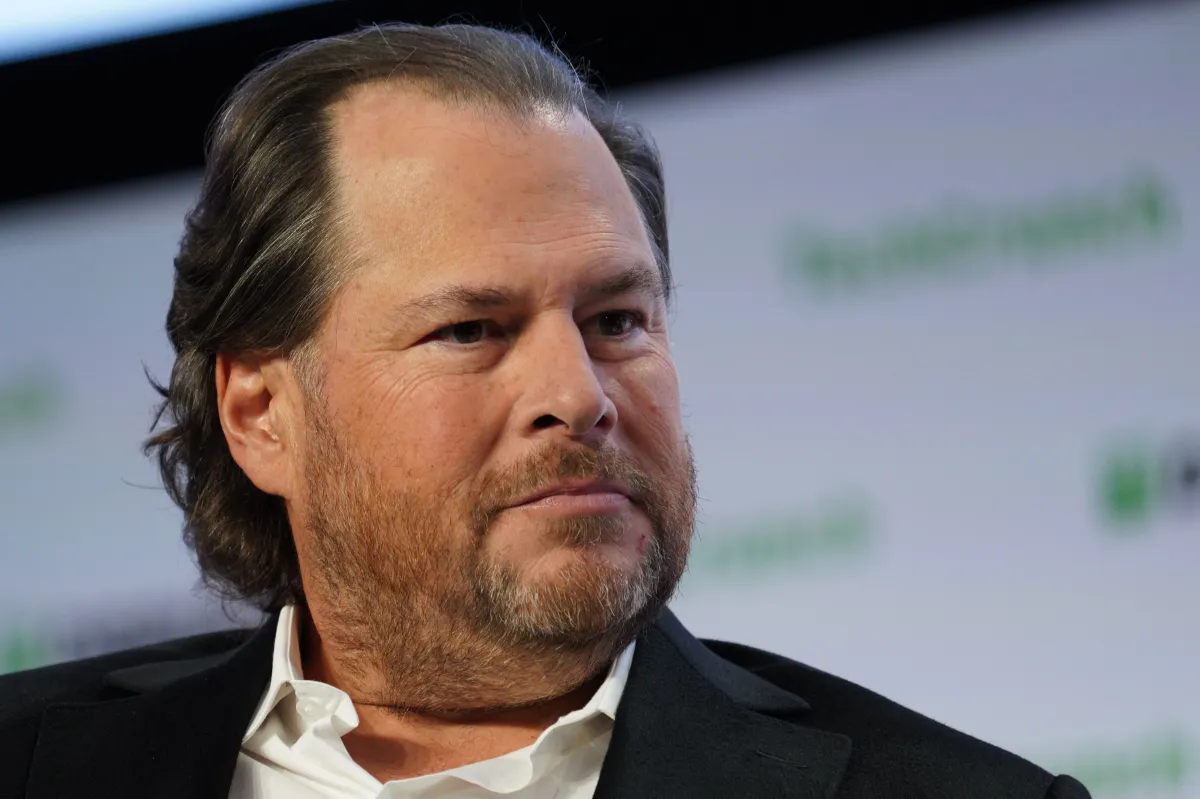
Intel announced that its former board member Lip-Bu Tan would rejoin the company as CEO in early March. Tan got right to work with a potential turnaround plan that centered on refocusing the company, shedding its noncore units, and significantly trimming its workforce.
In July, the company said it was scaling back some of its manufacturing projects, including its already-delayed $28 billion fabrication plant in Ohio.
A few weeks later, the Trump administration came knocking.
On August 6, Republican senator Tom Cotton penned a letter to Intel’s board of directors, asking about Tan’s ties to China, including his relationship with Cadence Design Systems, according to
The next day, August 7, Trump demanded that Tan resign “immediately,” accusing the CEO of being “highly conflicted,” though the president didn’t provide any evidence.
The following week, Tan headed to Washington, D.C., to meet with Trump to discuss ways the government and Intel could work together toward achieving the administration’s goals of reshoring semiconductor manufacturing in the U.S. Shortly after, rumors started to swirl that the U.S. government might be considering an equity stake in Intel.
On August 18, SoftBank said it was investing $2 billion in Intel. Four days later, the U.S. government announced its deal with Intel.
The deal ensures that Intel gets the grant money it was already awarded, and the Trump administration is claiming that it will be a passive investor that will vote alongside Intel’s interests. But will that actually help Intel?
What will happen next is a bit unclear.
Topics
Rebecca Szkutak Senior
Becca is a senior
You can contact or verify outreach from Becca View Bio October 27-29, 2025 San Francisco Put your brand in front of 10,000+ tech and VC leaders across all three days of Disrupt 2025. Amplify your reach, spark real connections, and lead the innovation charge. Secure your exhibit space before your competitor does.Last day to book is September 5
Most Popular BMW, I am so breaking up with you Connie Loizos
Murder at Burning Man turns Silicon Valley’s desert playground into a crime scene Connie Loizos
Nvidia says two mystery customers accounted for 39% of Q2 revenue Anthony Ha
Cracks are forming in Meta’s partnership with Scale AI Maxwell Zeff Marina Temkin
Mastodon says it doesn’t ‘have the means’ to comply with age verification laws Sarah Perez
TransUnion says hackers stole 4.4 million customers’ personal information Zack Whittaker
Get ready, EV owners: Here come the dongles Tim De Chant
X LinkedIn Facebook Instagram youTube Mastodon Threads Bluesky TechCrunchStaffContact UsAdvertiseCrunchboard JobsSite Map Terms of ServicePrivacy PolicyRSS Terms of UseCode of Conduct TelsaAnthropicTelexKlarnaMrBeastTech LayoffsChatGPT © 2025 TechCrunch Media LLC.
About the Author

Sophie Mueller
View all articlesComments (0)
No Comments Yet
Be the first to share your thoughts on this article!