London Tube strike: All you need to know
London Tube strike: All you need to know
When will the strike take place?
What is the strike about?
What does Transport for London say?
How many RMT members voted for the strike?
Have some events been cancelled?
What will the cost be to London?
What happened last year when strikes were planned?
Is this the end of the issue or will there be more strikes?
Talks seek to halt Tube strike over 32-hour week
Transport for London travel status
Members of the Rail, Maritime And Transport union (RMT) are staging the five-day walkout.
Here's what you need to know about the industrial action.
The walkout will begin on Sunday, when there will be limited service, with the advice to complete your journey
Between Monday and Thursday, there will be little or no service on all of the Tube as different parts of RMT membership walk out on different days.
The Tube will open late on Friday 12 September at .
There is also a separate dispute on the Docklands Light Railway (DLR) on Tuesday and Thursday, which will mean no DLR on those days.
The Elizabeth line and the Overground will operate as normal but will be much busier, as will the capital's roads.
You can find out more on which lines are affected on TfL's website.
The strike is about pay but also conditions. The RMT union has concerns about "fatigue management" - that is the stress that early and late shifts are having on the health of its members.
It has asked for a 32-hour week.
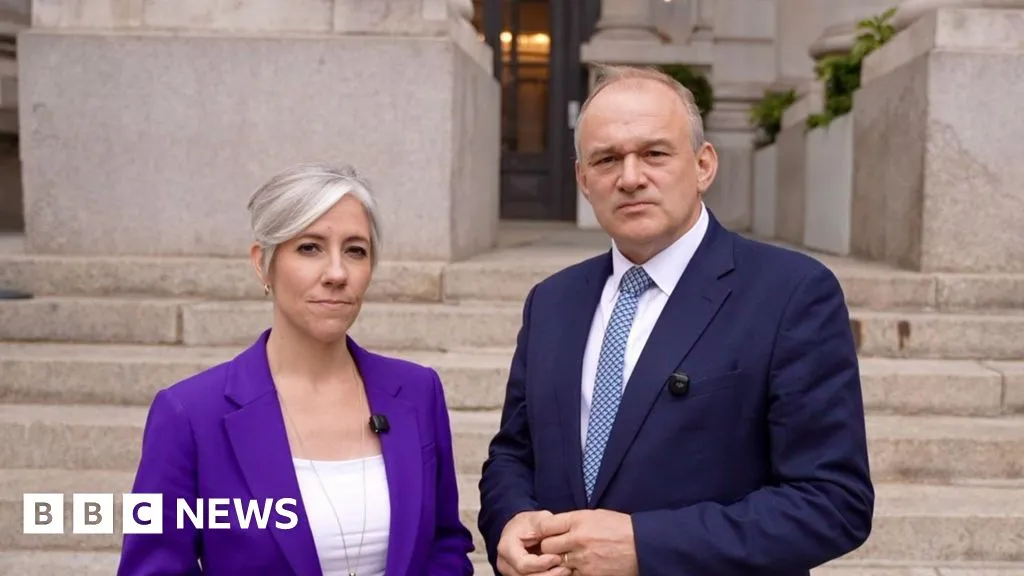
RMT general secretary Eddie Dempsey said: "Our members are doing a fantastic job to keep our capital moving and work strenuous shift patterns to make sure Londoners get to their destinations around the clock.
"They are not after a king's ransom, but fatigue and extreme shift rotations are serious issues impacting on our members health and wellbeing- all of which have not been adequately addressed for years
"Coupled with the fact there are outstanding issues around
Transport for London (TfL) says a 32-hour week is "neither practical and affordable" and would cost hundreds of millions of pounds.
It has offered the RMT union a 3.4% pay rise.
A TfL spokesperson said: "We are committed to ensuring our colleagues are treated fairly and, as well as offering a 3.4% pay increase in our ongoing pay discussions, we have made progress on a number of commitments we have made previously.
"We welcome further engagement with our unions about fatigue and rostering across London Underground, but a reduction in the contractual 35-hour working week is neither practical nor affordable."
They added: "Given the improvements we have recently put in place in response to concerns raised
This strike mandate was achieved prior to TfL's present pay offer being made, with a 57.5.% turnout.
Some 6,004 union members voted in favour of industrial action, 4,196 did not vote.
An interesting aside is that the RMT union has a new general secretary in Eddie Dempsey.
This will be the first major strike for the RMT union under the new leadership.
Already some concerts have been rescheduled.
Coldplay rescheduled their concerts at Wembley Stadium due to licensing issues around the event due to the Tube strike.
The band said: "Without a Tube service, it's impossible to get 82,000 people to the concert and home again safely, and therefore no event licence can be granted for the nights of 7 and 8 September."
The band said to avoid cancelling the gigs altogether, the Sunday show will move to Saturday (6 September) and the Monday show will move to Friday (12 September).
TfL is urging anyone during the strike to check before travelling.
There is no doubt since the pandemic and the rise of home working, strikes do not have as much impact as they used to.
However, not everyone can work from home, and particularly the night-time economy and central London businesses will suffer.
The Centre for Economics and Business Research told the Evening Standard that next week's Tube and DLR strikes could impose a direct economic cost of about £230m, reflecting the loss of roughly 700,000 working days across both TfL
It also said the true economic hit was likely to be significantly higher once the indirect effects were considered.
BusinessLDN told
The mayor intervened at the last minute with £30m of Greater London
He was criticised at the time for undermining TfL's negotiating team and there are those that think the RMT union is waiting for a similar intervention.
It's unlikely this is the end of the issue.
But whether there will be more strikes will now depend on how hard the RMT wants to pursue the issue of a 32-hour week and if its members want more strikes. Remember those on strike do not get paid.
Or feasibly there could be a change of heart at TfL and they could look at a 32-hour week to assuage the RMT.
Listen to the best of
About the Author

Emma Wilson
View all articlesComments (0)
No Comments Yet
Be the first to share your thoughts on this article!